Conservatory vs Orangery: Which Adds More Value?
When planning a home improvement project, one of the biggest questions homeowners ask is what will add moe value to their property – a conservatory vs orangery. Both options can transform how you use your home, creating additional living space, improving natural light, and enhancing your connection to the garden. However, the right choice will depend on your budget, property style, lifestyle and long-term plans.
At Simply Home Improvements, we design and install high-quality conservatories and orangeries for homes across Buckinghamshire, Oxfordshire, Hertfordshire and the surrounding areas. Whether you want a bright new dining space, a peaceful home office or a more substantial extension, understanding the differences between these two popular options can help you make a confident investment.
What Is a Conservatory?
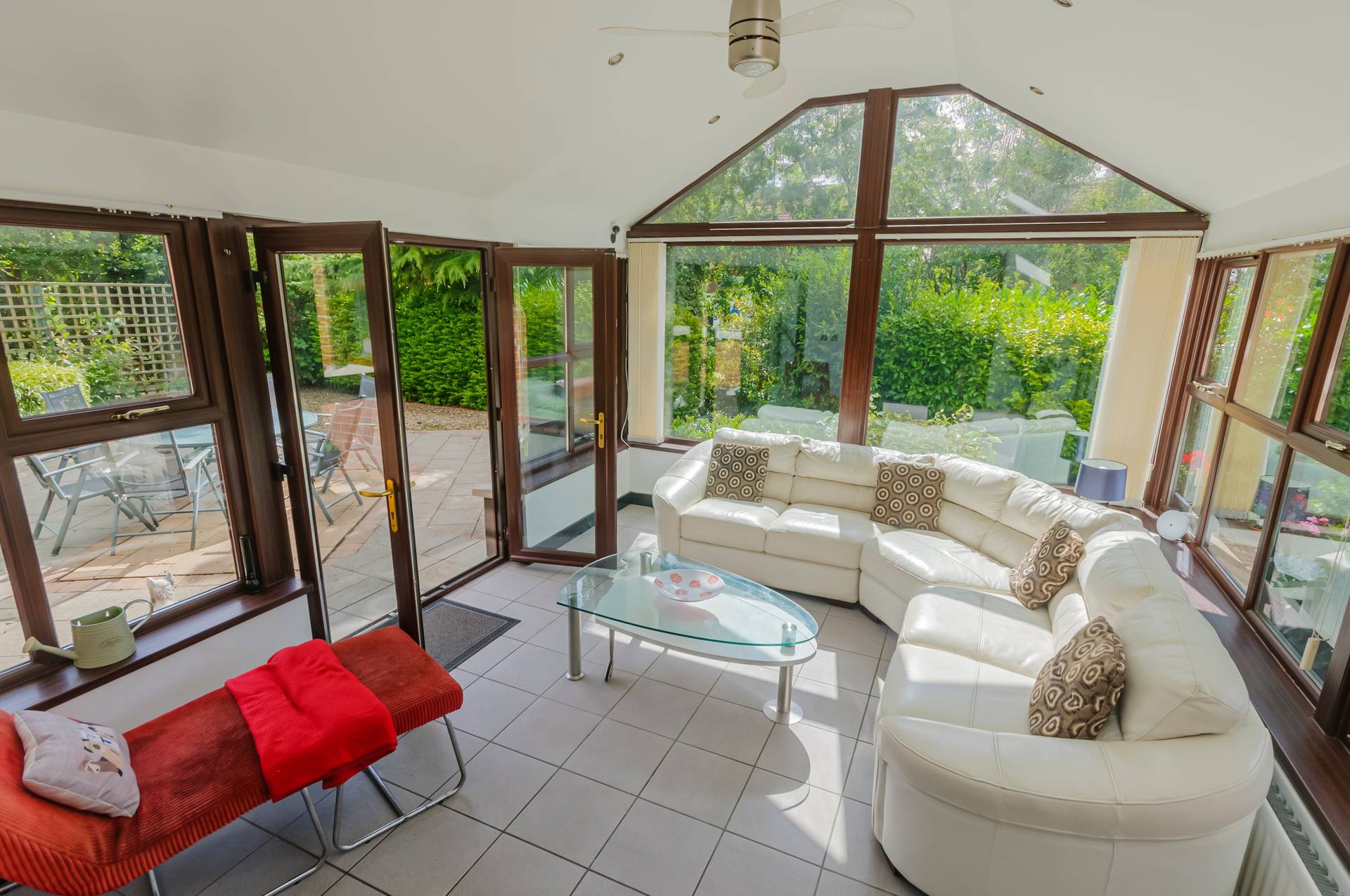
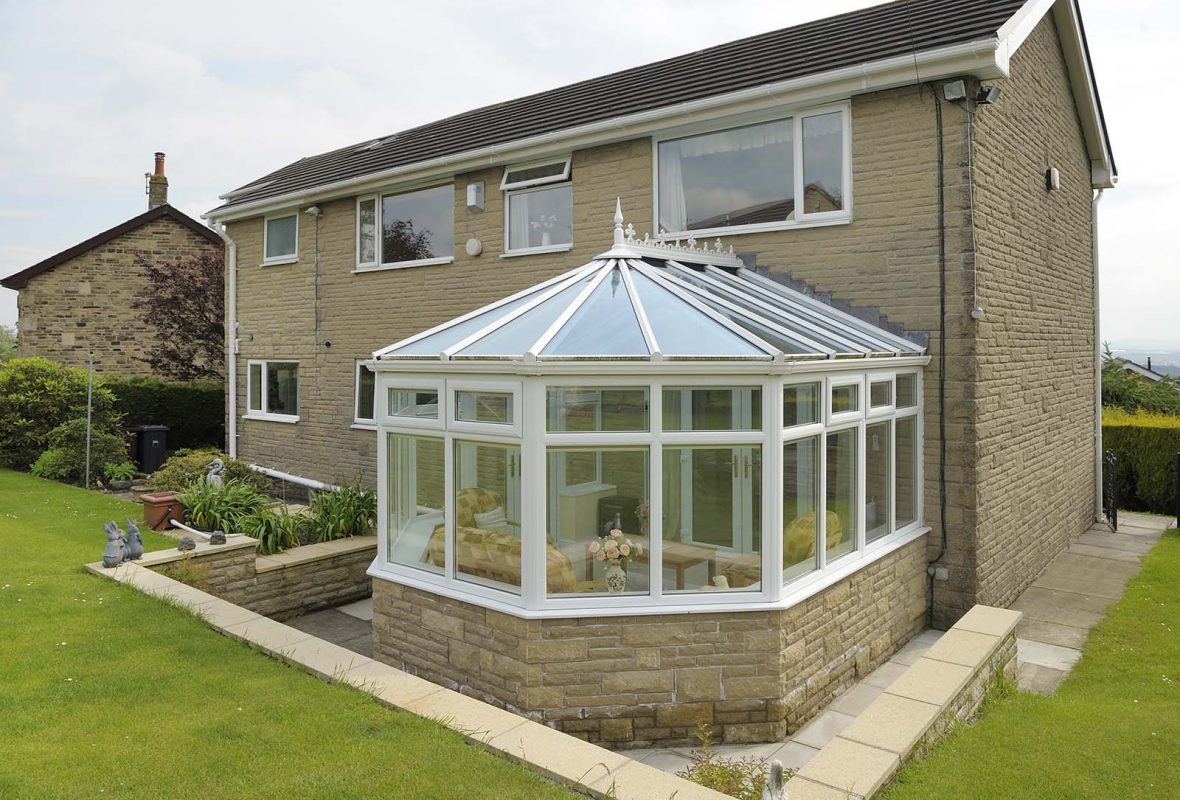
A conservatory is a glazed extension typically built with large windows, glazed doors, and a glass, tiled, or solid roof. Conservatories are designed to maximise natural light, making them ideal for homeowners who want a bright, airy space that feels closely connected to the outdoors.
Modern conservatories are far more advanced than older designs. With thermally efficient glazing, secure windows and doors, and a choice of bespoke roofing systems, today’s conservatories can be comfortable throughout the year. They can be used as dining rooms, lounges, playrooms, reading areas or garden rooms, giving your home a flexible extra space without the scale of a full extension.
What Is an Orangery?
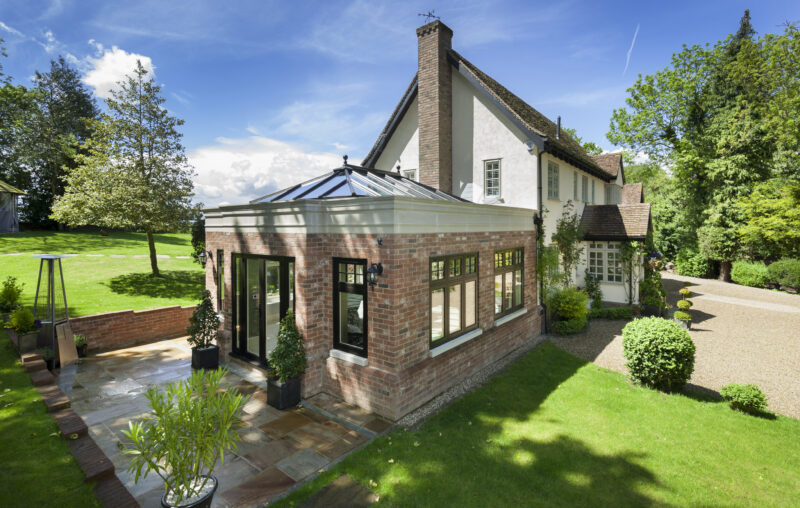
An orangery sits between a conservatory and a traditional house extension. It usually features more brickwork than a conservatory, along with large glazed areas and a partially glazed roof or roof lantern. This gives an orangery a more solid, permanent appearance while still allowing plenty of daylight into the room.
Orangeries are especially popular for homeowners who want a new living area that feels like a natural continuation of the home. They can work beautifully as open-plan kitchens, dining rooms, lounges, home offices, gyms, or family rooms. With strong thermal performance, weatherproofing and secure windows and doors, a bespoke orangery can deliver year-round comfort and long-lasting style.
Which Adds More Value?
In many cases, an orangery may add more perceived value than a conservatory because it often looks and feels more like a permanent extension. The added brickwork, improved privacy and strong insulation can make the space feel more integrated with the rest of the property. For buyers, this can make an orangery feel like a true additional room rather than a seasonal space.
Conservatories can also be a more cost-effective way to extend, making them appealing for homeowners who want to improve their property without committing to the larger investment of an orangery or full extension.
The most valuable option is the one that is properly designed, built to a high standard, and tailored to the property. A poorly planned orangery will not necessarily outperform a beautifully installed conservatory. Quality, usability and visual appeal all matter.
Cost vs Return on Investment
Budget plays a key role in deciding between a conservatory vs orangery. Conservatories are usually more affordable because they use more glazing and less structural brickwork.
Orangeries often require a larger investment due to their more substantial structure, bespoke design options and extension-like feel. However, this can also make them more attractive for resale. If the orangery creates a highly practical living area, such as a kitchen-diner or year-round family room, it may offer a stronger return on investment.
Energy Efficiency and Everyday Comfort
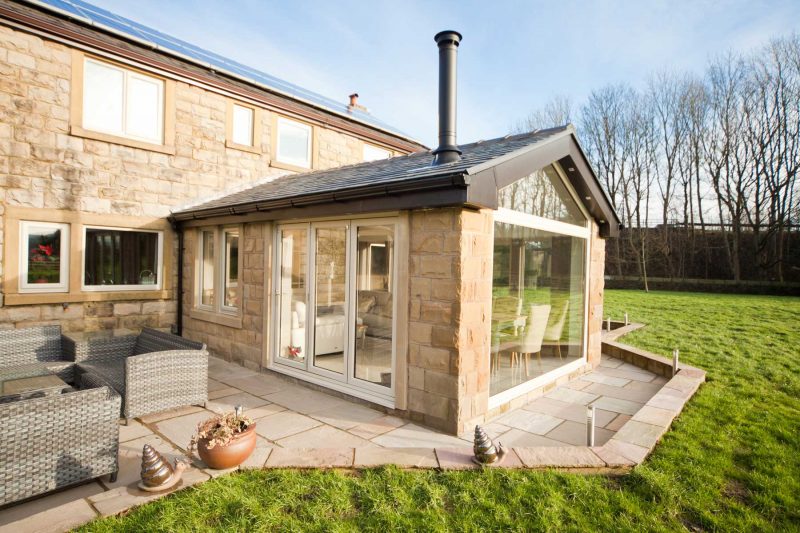
Energy efficiency is an important part of property value. Older conservatories developed a reputation for being too hot in summer and too cold in winter, but modern designs have changed that. With double or triple glazing, thermally efficient frames and advanced roof systems, a new conservatory can be comfortable in every season.
Orangeries naturally offer excellent insulation thanks to their brickwork and solid construction. Their combination of walls, windows and roof lanterns helps create a bright but more enclosed space, which can be easier to heat and cool.
Planning, Design and Property Style
Both conservatories and orangeries can often be installed under permitted development rights, although this depends on the property, location and project size. Listed buildings, conservation areas and larger installations may require additional approval, so it is always worth checking before work begins.
Style is another major factor. Conservatories suit homes where the goal is maximum light and a strong connection to the garden. Victorian, Edwardian, lean-to and bespoke designs offer plenty of flexibility. Orangeries are ideal for homeowners who prefer a more substantial architectural feature that blends seamlessly with the existing building.
So, Which Should You Choose?
Choose a conservatory for a bright, versatile, and cost-effective way to extend your home. It is a fantastic option for garden-facing living spaces, dining areas, playrooms and relaxing rooms filled with natural light.
Choose an orangery if you want a more permanent, insulated and extension-like space. It may add more value in situations where the new room becomes a key part of the home, such as an open-plan kitchen, lounge, or year-round family area.
Ultimately, both conservatories and orangeries can add value when they are professionally designed and installed. With Simply Home Improvements, you can create a bespoke space that suits your home, your budget and your plans. To compare conservatory vs orangery prices, start an online quote or contact the team for friendly, expert advice.
Book a Remote Quote
In response to Covid-19 and the governments guidelines, Bergson & Eaton now offer remote quotes.
Find Out More